
Blog

You Added the Fiber. Nothing Moved.
You added the fiber. You drank the water. Nothing moved, or it got worse, and somewhere in there you decided your body was just built this way. It isn't. A bowel that stops moving is the thing you noticed, not the reason, and there is more than one reason, and they all look the same from the outside. Two of them get worse with more bulk. Here are the three that get missed, the fourth that the standard advice was actually written for, and the one change that costs nothing and helps all four.
The Pounding Came First. The Reason Came Later.
Your heart starts pounding at three in the afternoon and nothing is happening. Within seconds your mind has found a reason, and the reason is usually wrong, because the pounding got there first. For a lot of people the body raises the signal well before anything arrives that they would call worry, which is why they go looking for a heart problem or a stomach problem instead. Here is what the body is actually doing, what the old texts named eighteen hundred years ago, and where it stops being something to manage on your own.
What the Location of Your Headache Is Telling You
Four people can say the same sentence, my head hurts, and be describing four unrelated problems. Where the pain sits is not a detail. It is the first real piece of information, because each region of the head belongs to a different channel and each channel runs with a different system behind it. Here is the map, and what each location has historically pointed to.
Feet That Feel Asleep While You're Awake
Tingling, numbness, burning at eleven at night. Most people arrive at this assuming the nerve is broken and the story is over. What I usually find instead is a supply line that has been running short for years, quietly, while everyone was looking at the feet. Here is what a starved nerve is actually doing, what the old texts called it, and four things worth doing this month.
Waking Up at 3am? 2:20 and 4:10 Are Not the Same Problem.
You looked once, months ago, saw a three, and the number stuck. But 2:20 and 4:10 are two different problems. How to tell which one is yours, and the three-night check that costs you nothing.

Why a Frozen Shoulder Locks Up, and How It Lets Go
You reach back for the seatbelt and the shoulder catches. Over weeks, the arm lives in a smaller and smaller box. But a frozen shoulder, or adhesive capsulitis, is not falling apart, it is guarding, and guarding can be talked back out of. What Chinese medicine reads in a frozen shoulder, why the pain eases before the movement returns, and what to do today. Acupuncture in Williamsport, PA.
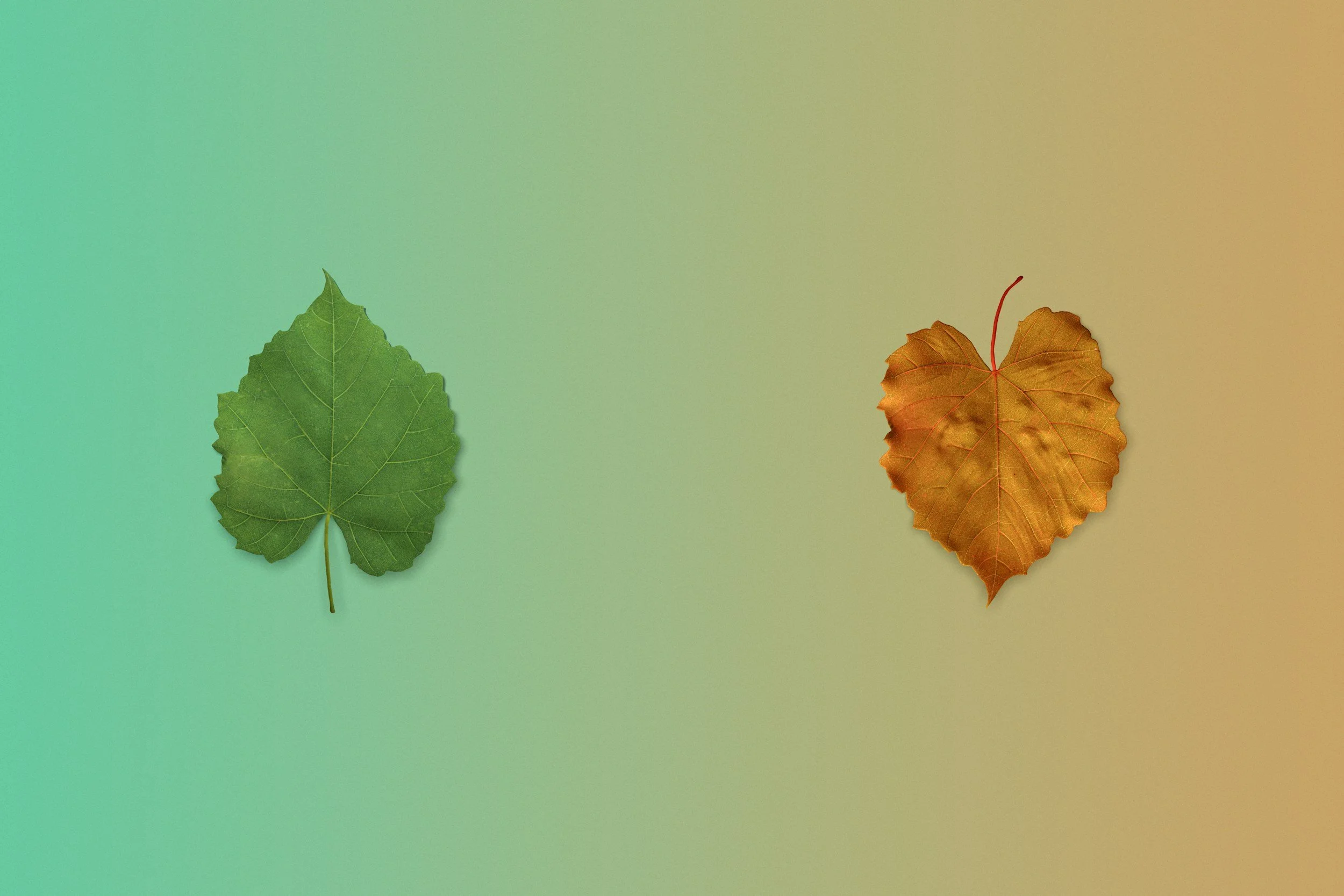
Why the Season Change Catches You First
You're the first one in the house to feel the season turn, the scratchy throat, the run-down day before everyone else catches it. That's not your body failing. It's the Lung, the organ that guards your border, meeting the change of air first. Here's why, and a few gentle things that help.

Why Overthinking Upsets Your Digestion
That looping mind at night and the knotted, heavy stomach underneath it are not two problems. They are one pattern, and late summer is the season it speaks up. Here is why worry and digestion travel together, and a few gentle things that help at home.

Why Hot Flashes Feel Worse in the Summer Heat
You know the moment: already warm from the August air, and then a wave arrives anyway, climbing into the chest, the neck, the face. Or it wakes you at 2am, drenched. If your hot flashes and night sweats feel louder this time of year, you are not imagining it. Summer and this transition have a real relationship, and once you understand it, some of the control comes back. Here is what the body is really doing, and what gently helps at home.

Why Summer Heat Gives You Headaches
You know the afternoon: thick air since lunch, and by three o'clock a pressure starting at your temples that turns into a full throb by dinner. If your head gets worse in a heat wave, you are not imagining it. Heat and headaches have a real relationship, and once you understand it you get some control back. Here is what rising heat does to your head, why the Liver is involved, and what helps at home.

Why Your Skin Flares in Summer Heat
Some people count on it now. Late July comes, the heat settles in, and the skin starts to talk: a patch behind the knees, a rash on the forearms, little bumps that itch worst at night. Your skin isn't betraying you. It's reporting. In Chinese medicine the skin belongs to the Lung, and once you understand what it's saying, there's a lot you can do to calm it. Here's what summer heat is really doing, and where to start at home.
Why Humidity Makes You Heavy, Foggy, and Slow
You slept fine and still feel like you're wading through mud by lunch. Heavy legs, a foggy head, a normal meal sitting like a brick. That heaviness isn't laziness, and it isn't the heat alone. It's humidity, and your body has a way of working with it. Here's what's really going on, and how to feel light again.

Why Summer Heat Wipes You Out (and How to Stay Full)
You did everything right yesterday. A full water bottle by lunch, another by dinner, and you still ended the day foggy and flat with a headache behind your eyes. Most people decide the answer is more water. Here is what actually happened, and why plain water was never the whole answer. The fix was written down more than a thousand years ago, and a modern lab report agrees with every word of it.

TCM Heart-Kidney Axis: Why Summer Drains You
Every July, the same pattern shows up in my practice. People who felt great in June start waking at 2am, wired and tired, anxious for no reason they can name. Nothing changed except one thing: summer kept going. In Chinese medicine, this is the Heart and Kidney losing their conversation. Here's what that means, and what you can do at home.

Why Sleep Gets Harder in Summer (And What TCM Has Known for Centuries)
You did everything right. Bed by ten. No screens. Cool-ish room. And then you lay there, mind going, waiting for something that wouldn't come. Summer does something specific to sleep — and it's not just the heat. In Traditional Chinese Medicine, the Heart is the organ of summer. When Heart energy runs hot, the Shen wanders. Western physiology has a name for the same pattern: melatonin suppression, elevated cortisol, core temperature that won't drop. Two frameworks. One clinical reality. And four things you can do about it tonight.

Your Body Is Changing Right Now — Here's What Chinese Medicine Says About It
Something subtle happens every year in the first weeks of June. Your sleep changes. Your appetite shifts. The drive that carried you through spring softens into something more social, more expansive. Chinese medicine has a name for what's happening — and it maps surprisingly well onto modern physiology.

The Lung Holds More Than Air
The Lung in Chinese medicine does four things. Respiration is only one of them. The others explain why some people keep getting sick after a loss, why certain grief never fully clears, and why the body holds what the mind thinks it's already moved on from.
When the Center Fails, Everything Fails
Most people have seen the five-element wheel. What that diagram quietly got wrong is where Earth belongs. In Chinese medicine, the Spleen and Stomach are the center everything else depends on — and when that center fails, the downstream effects reach every system in the body.

You Can't Heal in Fight-or-Flight. Here's What Chinese Medicine Says Is Happening.
When blood sugar drops, your body treats it as a survival threat. Cortisol rises. The nervous system stays on guard. Healing — real repair — only happens when that state stands down. In Chinese medicine, this pattern has a name and a clinical picture. Here's what's actually happening, and what begins to shift it.

Waking Up at Night? Here's What to Do at Each Hour
If you're waking up at night at the same time every night, Chinese medicine has a specific answer for each hour — and more importantly, what to do about it. Each two-hour window belongs to an organ system, and when that system is under load, it surfaces during its peak. Here's what each overnight window is asking for, from acupressure points to breath practices to the dietary changes that actually move the needle.